
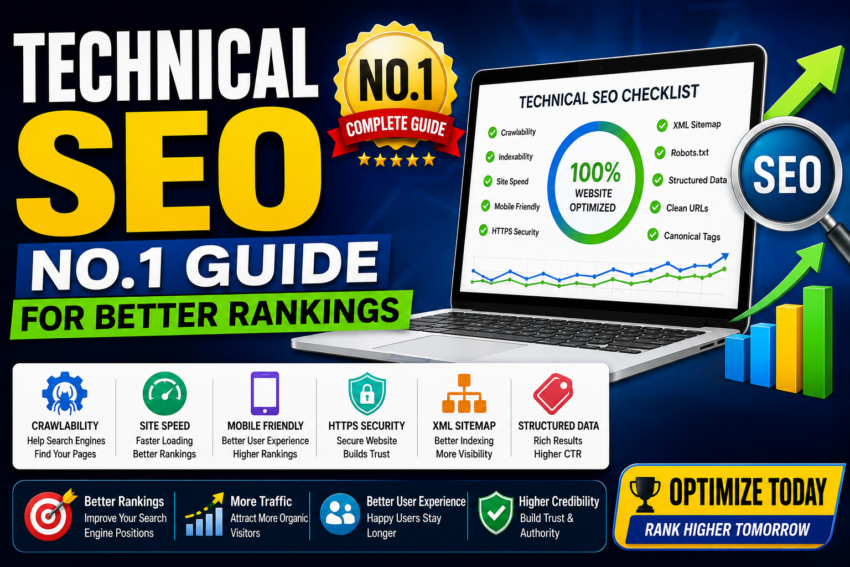
Technical SEO Search engine optimization is one of the most important factors for building a successful website. Most people focus heavily on content creation and backlinks, but technical SEO is equally important. Without proper technical optimization, even high-quality content may struggle to rank well on search engines like Google.
Technical SEO helps search engines crawl, index, and understand websites efficiently. It improves website structure, speed, mobile usability, security, and overall performance. A technically optimized website provides better user experiences and increases the chances of ranking higher in search results.
For bloggers, businesses, affiliate marketers, and website owners who want better rankings and Google AdSense approval, understanding technical SEO is essential. In this article, you will learn what technical SEO is, why it matters, important optimization techniques, common mistakes, and how technical SEO improves website growth.
What Is Technical SEO?
Technical SEO refers to optimizing the technical aspects of a website to help search engines crawl, index, and rank pages effectively.
Unlike on-page SEO, which focuses on content and keywords, technical SEO focuses on website infrastructure and performance.
Technical SEO includes:
- Website speed
- Mobile optimization
- XML sitemaps
- HTTPS security
- Crawlability
- Structured data
- URL structure
- Indexing optimization
In simple words, technical SEO ensures that search engines can access and understand websites properly.
Why Technical SEO Is Important
Technical SEO plays a major role in website visibility and performance.
1. Helps Search Engines Crawl Websites
Search engines need to access website pages efficiently.
2. Improves Indexing
Proper optimization helps pages appear in search results faster.
3. Enhances User Experience
Fast and responsive websites improve visitor satisfaction.
4. Supports Better Rankings
Google prioritizes websites with strong technical performance.
5. Improves Mobile Performance
Technical SEO helps websites perform better on smartphones and tablets.
How Search Engines Work
To understand technical SEO, it is important to know how search engines operate.
Search engines generally follow three steps:
Crawling
Search engine bots discover website pages.
Indexing
Pages are stored in search engine databases.
Ranking
Search engines decide where pages appear in search results.
Technical SEO helps improve all three processes.
Website Crawling and Crawlability
Crawling is the process where search engine bots visit website pages.
If search engines cannot crawl a website properly, pages may not appear in search results.
Factors That Affect Crawlability
- Broken links
- Slow website speed
- Poor website structure
- Blocked resources
- Incorrect robots.txt settings
Good crawlability improves SEO performance.
XML Sitemaps
An XML sitemap is a file that lists important website pages for search engines.
Benefits of XML Sitemaps
- Faster indexing
- Better page discovery
- Easier crawling
- Improved website organization
Many SEO plugins automatically generate XML sitemaps.
Popular WordPress plugins like Yoast SEO and Rank Math create sitemaps automatically.
Robots.txt File
The robots.txt file tells search engine bots which pages they can or cannot crawl.
Example Uses
- Blocking admin pages
- Preventing duplicate content indexing
- Managing crawl budgets
Incorrect robots.txt settings can accidentally block important pages.
Website Speed and Technical SEO
Website speed is one of the most important technical SEO factors.
Slow websites create poor user experiences and reduce rankings.
Speed Factors
- Large images
- Poor hosting
- Heavy scripts
- Unoptimized code
- Too many plugins
Benefits of Fast Websites
- Better rankings
- Lower bounce rates
- Higher engagement
- Improved conversions
Core Web Vitals
Google introduced Core Web Vitals to measure user experience performance.
These metrics include:
Largest Contentful Paint (LCP)
Measures loading performance.
First Input Delay (FID)
Measures interactivity speed.
Cumulative Layout Shift (CLS)
Measures visual stability.
Improving Core Web Vitals helps both SEO and user experience.
Mobile SEO Optimization
Most internet users now browse websites through mobile devices.
Google uses mobile-first indexing, meaning it mainly evaluates mobile versions of websites.
Mobile SEO Best Practices
- Responsive design
- Fast loading speed
- Readable text
- Mobile-friendly navigation
- Optimized images
Mobile optimization is essential for modern SEO success.
HTTPS and Website Security
HTTPS encrypts data between users and websites.
Secure websites are trusted more by both users and search engines.
Benefits of HTTPS
- Better security
- Increased trust
- Improved rankings
- Safer user experiences
Websites without HTTPS may appear unsafe to visitors.
URL Structure Optimization
SEO-friendly URLs help search engines and users understand website content.
Good URL Example
example.com/technical-seo-guide
Bad URL Example
example.com/page?id=12345
Best Practices
- Use simple URLs
- Include keywords naturally
- Avoid unnecessary numbers or symbols
Clean URLs improve usability and SEO.
Structured Data and Schema Markup
Structured data helps search engines understand website content more clearly.
Schema markup can generate rich results in search engines.
Examples of Rich Results
- Star ratings
- FAQs
- Product information
- Recipes
- Reviews
Schema markup improves search visibility and click-through rates.
Canonical Tags
Canonical tags help prevent duplicate content problems.
They tell search engines which page version should be considered the main page.
Benefits
- Prevents duplicate indexing
- Consolidates ranking signals
- Improves crawl efficiency
Canonical tags are extremely important for large websites.
Broken Links and Technical SEO
Broken links create poor user experiences and hurt SEO.
Types of Broken Links
- Internal broken links
- External broken links
Problems Caused
- Poor crawlability
- Lower trust
- Reduced user satisfaction
Regularly checking and fixing broken links is important.
Website Architecture
Website architecture refers to how website pages are organized.
Good Website Structure Benefits
- Easier navigation
- Better crawlability
- Improved user experience
- Stronger internal linking
Clear website structures help both users and search engines.
Internal Linking
Internal links connect pages within the same website.
Benefits
- Helps search engines discover pages
- Improves navigation
- Distributes page authority
- Increases user engagement
Strong internal linking improves SEO performance significantly.
Duplicate Content Issues
Duplicate content occurs when similar content appears on multiple URLs.
Causes
- Multiple page versions
- URL parameters
- Printer-friendly pages
Solutions
- Canonical tags
- Proper redirects
- Consistent URL structures
Duplicate content can confuse search engines and reduce rankings.
Redirects and Technical SEO
Redirects send users and search engines from one URL to another.
Common Redirect Types
- 301 redirects (permanent)
- 302 redirects (temporary)
Best Practices
- Use redirects carefully
- Avoid redirect chains
- Fix outdated URLs
Proper redirects preserve SEO value.
Technical SEO Tools
Several tools help analyze technical SEO performance.
Google Search Console
Google Search Console helps monitor indexing and technical issues.
Google PageSpeed Insights
Analyzes website speed and Core Web Vitals.
Screaming Frog
Provides detailed website crawl analysis.
GTmetrix
Tests loading speed and performance.
Ahrefs
Ahrefs helps monitor backlinks and technical SEO issues.
Technical SEO and Google AdSense Approval
Technical SEO indirectly improves the chances of AdSense approval.
Better User Experience
Fast websites keep visitors engaged.
Professional Website Quality
Secure and responsive websites appear more trustworthy.
Improved Crawlability
Google can understand website content more efficiently.
Better Mobile Optimization
Mobile-friendly websites perform better.
Faster Loading Pages
Page speed affects overall website quality.
Common Technical SEO Mistakes
Many website owners ignore technical optimization.
Slow Website Speed
Large files and poor hosting hurt performance.
Broken Links
Broken pages reduce crawl efficiency.
Missing HTTPS
Unsecured websites appear untrustworthy.
Poor Mobile Optimization
Non-responsive websites lose rankings.
Duplicate Content
Repeated content can confuse search engines.
Technical SEO for WordPress Websites
WordPress users can improve technical-SEO using plugins and optimization tools.
Helpful Plugins
- Yoast SEO
- Rank Math
- WP Rocket
- LiteSpeed Cache
These tools simplify technical optimization.
Future of Technical SEO
Technical SEO continues evolving as search engines become smarter.
Future trends may include:
- AI-powered optimization
- Faster mobile technologies
- Voice search improvements
- Better structured data usage
- Advanced user experience signals
Technical SEO will remain essential for long-term website growth.
Tips for Long-Term Technical SEO Success
Monitor Website Health Regularly
Regular audits help detect issues early.
Keep Software Updated
Update plugins, themes, and CMS systems frequently.
Focus on Mobile Users
Mobile optimization is increasingly important.
Improve Website Speed
Fast websites perform better overall.
Use Clean Website Structures
Simple navigation improves crawlability and user experience.
Conclusion
Technical SEO is one of the most important foundations of successful search engine optimization. It helps search engines crawl, index, and understand websites effectively while improving user experience and website performance.
From website speed and mobile optimization to HTTPS security, XML sitemaps, structured data, and internal linking, technical-SEO affects nearly every part of website visibility.
For bloggers, affiliate marketers, businesses, and website owners who want better rankings and increased chances of Google AdSense approval, investing time in technical-SEO is extremely valuable.
Combined with high-quality content, strong keyword research, and proper SEO strategies, technical SEO can help websites achieve long-term growth, better rankings, and increased organic traffic.